

The Sermon on the Mount, Rosselli c.1482, Sistine Chapel. Vatican City State.
Click here to read today’s Sunday Mass Readings.
When Jesus saw the crowds, he went up the mountain, and after he had sat down, his disciples came to him. He began to teach them, saying…… Matthew 5:1-2.
Click on words highlighted in red for further information.
Thus begins Jesus’ central, most important teaching in Matthew, known as the Sermon on the Mount. It incorporates his central message, with all its demands and challenges. The traditional name for this central teaching is “The Beatitudes”, namely the actions and thoughts that would make us worthy in the eyes of God. “Do this”, Jesus seems to say,“and heaven is yours”. Beatitudes is an interesting word. First, “blessed” is the translation from the original Greek word μακάριος, makarios. (Remember that all our Christian scriptures are translations from Greek originals). So for most English speakers today, “blessed” means, basically, very holy: the Blessed Mother, the Blessed Sacrament, and so on. But if we dig a little deeper into the original word μακάριος, we find more layers of meaning which perhaps elude us in the Latin and English translations. The root of the Greek word “μάκαρ” or makar, is poetic. It can mean, for example, divinely bestowed happiness, coming from the gods themselves. One is deeply happy when that has happened. When Our Lady, in her great hymn of praise called the Magnificat, says: “My soul proclaims the greatness of the Lord, my spirit rejoices in God my Savior, for he has looked with favor on his lowly servant. From this day all generations will call me blessed…” there is no self-glorification there (though I have heard something along those lines in the past), but rather a statement of pure happiness in the Lord! Following the Lord has been, she seems to say, the happiest, best thing that has ever happened to her! So Jesus must be saying in this central message that if you follow this teaching, the Beatitudes, the most profound contentment, satisfaction and happiness will come upon you, even when things seem to be at their worst. And the only way of proving that is to put them all into practice! So it would be quite acceptable for today’s reading to say, for example, “Happy are they who mourn…” which upturns all we might expect from such a sad, painful situation. But there it is, loud and clear from the lips of the Lord! But remember the second half: “for they will be comforted”. He might well be saying that the beloved and departed one might well now enjoy life eternal with the All-Happy, All-Blessed and All-Good Lord of all, and we should stress that among those of us who remain, to bring at least a little comfort into a grim situation.
If anything, the readings today strongly advocate humility at the very deepest level. Look at Paul’s words to the Christians in Corinth: “Consider your own calling, brothers and sisters. Not many of you were wise by human standards, not many were powerful, not many were of noble birth. Rather, God chose the foolish of the world to shame the wise, and God chose the weak of the world to shame the strong, and God chose the lowly and despised of the world, those who count for nothing, to reduce to nothing those who are something, so that no human being might boast before God…. ‘ Can you even imagine a politician saying anything like that today? It would mean instant political death! Yet there it is, Paul talking to the new Christians in the rough port city of Corinth. Who would want to be called not wise, not noble, but foolish, weak, lowly, despised, counting for nothing? It is simply incredible, but there it all is in today’s second reading! We must assume that Paul does not intend to insult every new Christian in Corinth, but must mean something much deeper, very positive. It might mean, for example, that there is hope for us all! Even if each of us, reluctantly and regrettably agrees to such a description, Paul is saying in that case we are not far from God! Compared to the Lord, for example, who are we to even imagine we can stand next to him as worthy of praise? But… but.. this is the man who died that we might live! His supreme example of utter humility is the touchstone of all Christian life and love. We, like the Lord, are here for each other.
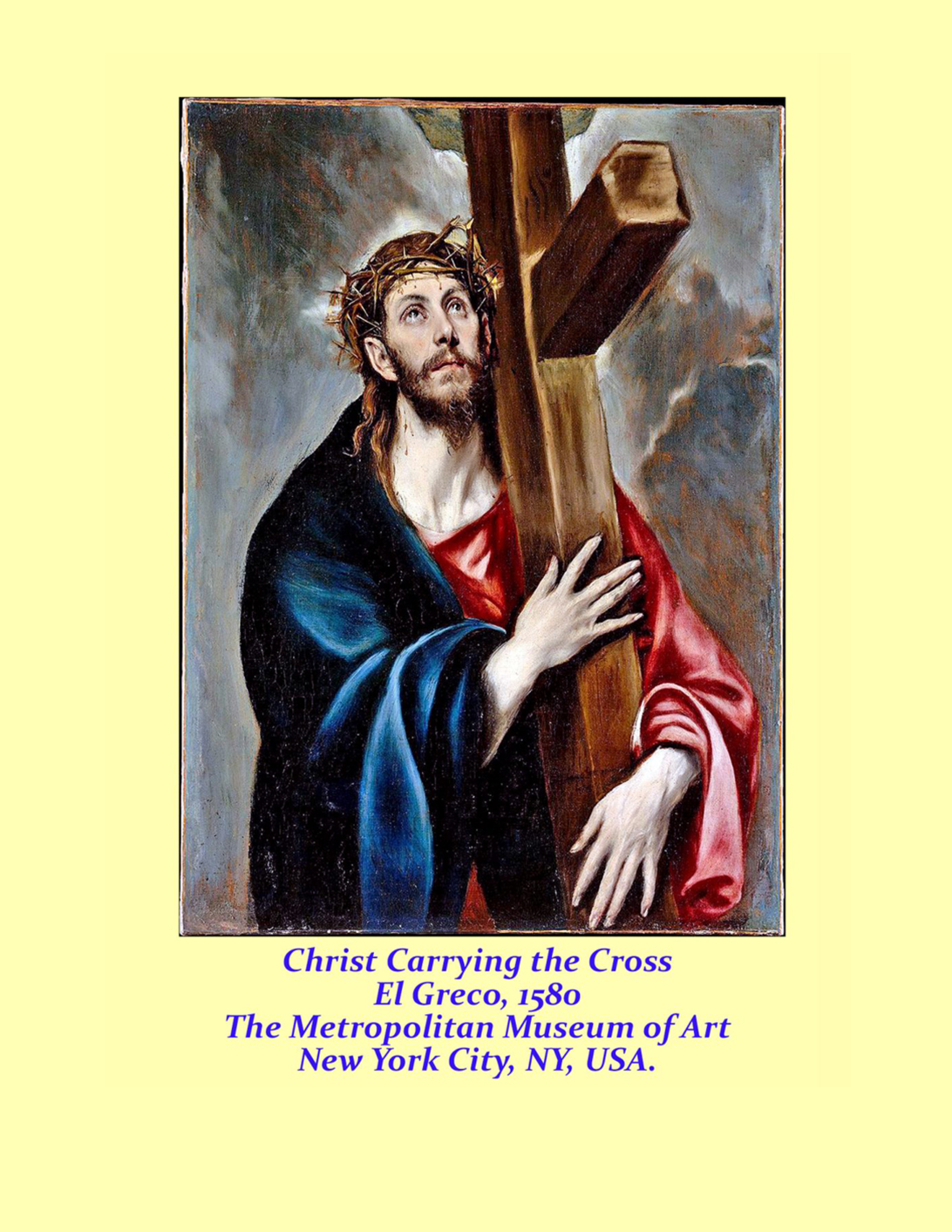
So our lives must be an example of how we serve others. If we ask the Lord how much does he love us, the answer is the cross – that’s how much he loved us! And some might add that such represents the deepest level of foolishness and stupidity imaginable. But not when it is done for others. When we live, it is for the Lord we live; when we suffer it is for the Lord we suffer, when we die it is for the Lord we die. All must be focussed on the Lord, and all the beatitudes state that. The focus is very clear; in every moment of life, good bad and indifferent, it should all be done for the Lord. If we can live up to that standard, then we live for the Lord and we will not be betrayed. After all, we each have a guardian angel…..
 My Guardian Dear, Turning to Our Guardian Angels in Times of Need October 2024, Catholic Women in Business.
KNOW SOMEONE WHO WOULD WELCOME THIS MESSAGE? PLEASE FORWARD IT TO THEM.
THANK YOU.
Reflections on next Sunday’s Mass Readings will be posted on Wednesday.
Please send your reactions to: RogerJohn@aol.com
©SundayMassReadings.com
Discover more from Sunday Mass Readings
Subscribe to get the latest posts sent to your email.